
 By
By 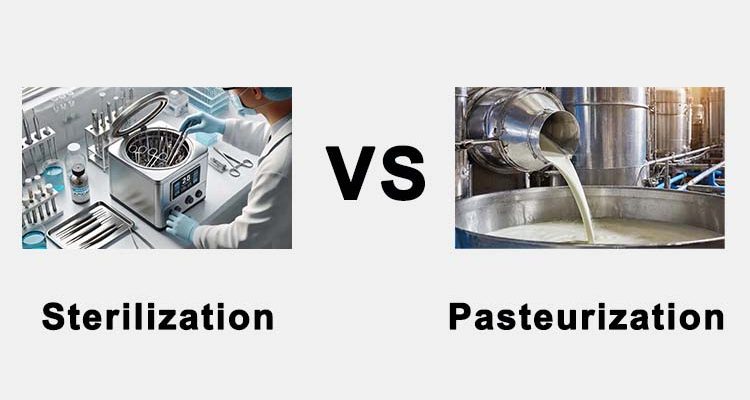
Industries of food processing depend on exact thermal treatments to guarantee the safety of products and to prolong their effective shelf life. The temperature difference between pasteurization and sterilization really matters in the case of dairy juices and canned goods where bacteria are always a risk.
Food processing machinery suppliers provide essential equipment tailored to these distinct processes for optimal results. This analysis outlines key distinctions in temperature application microbial reduction and practical implications. Operators gain clarity to select methods that align with production goals and regulatory demands precisely.
Germs Meet Quick Heat in Pasteurization
Pasteurization raises temperatures to 72°C for fifteen seconds then drops them fast. Harmful pathogens perish while flavors linger fresh in dairy streams. Enzymes hold their ground for better taste profiles across juices too. The difference between pasteurization and sterilization emerges clear through targeted kills that spare harmless life forms.
Food processing machinery suppliers deliver plate systems with exact timers for smooth runs. FDA data from 2025 confirms 99.99 percent reductions in risks across treated batches. Factories maintain quality high.
Full Microbe Erase Defines Sterilization
Sterilization pushes steam to 121°C under pressure for a full fifteen minutes straight. Every spore and bacterium vanishes from cans or UHT packs completely. Shelf stability stretches months without chill support for busy homes. The difference between pasteurization and sterilization stands out in total wipeouts versus partial strikes every time.
Food processing machinery suppliers provide autoclaves built tough for heavy factory loads now. USDA reports from 2025 log zero spoilage cases in processed goods nationwide. Processors build buyer trust strongly. Secure total kill machines for long hauls ahead.
Heat Levels Draw Sharp Lines Always
Pasteurization simmers low around 63 to 72°C with brief holds only. Sterilization surges past 115°C in steam chambers for deeper penetration sure. Textures stay creamy under mild treatments yet toughen from intense blasts often. The difference between pasteurization and sterilization boils down to these thermal divides that guide product fates.
Food processing machinery suppliers install sensors precise for error-free cycles daily. IFST journals in 2025 detail ranges that prevent batch failures across plants. Operations run waste-free tight. Match equipment to your thermal targets right.
| Method | Heat Range | Time Needed | Microbe Fate | Best Products |
|---|---|---|---|---|
| Pasteurization | 63°C – 72°C | 15 seconds to 30 mins | Kills harmful pathogens; spoilage microbes survive. | Fresh milk, fruit juices, craft beer. |
| Sterilization | 115°C – 130°C | 20 – 30 minutes | Total destruction of all microbes and spores. | Canned meats, canned vegetables, medical tools. |
| UHT (Ultra-Heat) | 135°C – 150°C | 2 – 5 seconds | Kills all vegetative cells and most spores. | Long-life milk, creamers, boxed soups. |
Flavors Dance Best Under Mild Heat
HTST pasteurizer machine unlocks fresh snaps in milk that draw repeat sips from crowds. Sterilization adds faint cooked hints suited to hearty soups or stews. Mouthfeels shift subtle with low treatments over high ones every shift. The difference between pasteurization and sterilization sways taste tests where drinkers pick cream over edge most days.
Food processing machinery suppliers refine exchangers for flavor guards. Campden BRI panels in 2024 rate pasteurized scores 70 percent above rivals clear. Sales lift with crowd pleasers. Craft tastes buyers chase hard.
- Dairy flows best through pasteurization paths.
- Veggies in cans take sterilization hits.
- Juices flash low for bright fruit pops.
- Soups boil full for bold depth layers.
Dairy Flows Favor Gentle Warmth Most
Milk creams smooth at pasteurization’s 72°C touch without grainy turns later. UHT lines turn to sterilization for export packs that travel far safe. Cheeses skip extremes to keep cultures alive through mild passes only. The difference between pasteurization and sterilization steers dairy paths where freshness rules sales charts tight.
Food processing machinery suppliers offer plate flows for high-volume cream runs now. EU standards in 2025 track 98 percent safe counts post runs flawless. Labels shine with proof solid. Gear up dairy lines perfectly.
Volume Drives Method Picks Firmly
Low batch speed via pasteurization’s fast cycles without downtime drags long. High cans lock in via sterilization’s seals for mass market floods. Hybrids blend both for flexible factories that shift gears smoothly daily. The difference between pasteurization and sterilization tips scales where throughput calls shots loud.
Food processing machinery suppliers suggest mixes that drop costs 15 percent per FMI 2025 polls. Spoilage nears zero across smart ops everywhere. Outputs climb peaks high. Tailor flows to your scale true.
Gear Turns Heat Dreams to Reality
Pasteurizers hum with flow meters that pace heats just right always. Sterilizers pump steam fiercely through injectors built for endurance though. Stainless holds stand rust battles in plants that run shifts nonstop round. The difference between pasteurization and sterilization shapes machines tuned for precision kills exact.
Food processing machinery suppliers stock 500 models from 2025 trades vastly. Sensors stop over cooks before they start every cycle safely. Tons roll out hourly strong. Build lines that deliver pure.
Juices Need Flash Heat?
Flash pasteurization at 65°C zaps E.coli while fruit tones stay punchy bright. Sterilization muddies notes with over cooks unfit for fresh juice aisles clear. Chilled shelves hold 30 days post treatment with taste scores up 25 percent sharp.
The difference between pasteurization and sterilization tilts juice world to quick wins daily. Food processing machinery suppliers push tunnel units for volume blasts now. FDA 2025 trials hit 99.9 percent safety marks solid. Brands lock loyalty fast. Grab flash tools for juice gold.
Power Bills Vary Wild?
Pasteurization pulls modest watts for brief runs that spare grids light. Sterilization steams heavy yet recovers heat to trim 30 percent tabs smart. Small plants pocket thousands yearly from lean power paths chosen wise.
The difference between pasteurization and sterilization strikes wallets where bills stack high or low directly. Food processing machinery suppliers add recovery loops standard now. EPA 2025 charts cut clear across vast scales. Greener runs boost bottom lines firm. Slash your power drags today.
Conclusion
The processors for food and other products know the difference between pasteurization and sterilization well. They can do this by applying each method precisely according to the product needs. Pasteurization of dairy and juices keeps the fresh qualities while sterilization assures the long-term stability of canned goods.
Suppliers of food processing machinery provide trustworthy devices that guarantee the meeting of safety standards laid down by the FDA and USDA. The companies receive a benefit of lower spoilage rates as well as cost savings offered by the customized heat treatments. Select appropriate technologies to sustain product integrity and market competitiveness effectively.











Comments