
 By
By 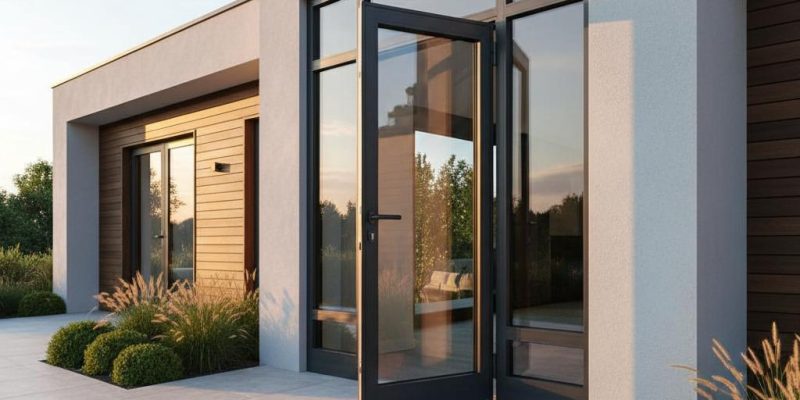
The first time you notice an aluminium casement door, you may not immediately realize what makes it different. You might simply see a bright, open living space and wonder why the room feels more comfortable and connected to the outdoors. Then you notice the door — it opens outward like a window, allowing more light and fresh air to enter.
Most people use doors every day without thinking much about their design or performance. But once you experience a well-designed aluminium casement door, you start noticing the difference. You can feel the smooth operation, appreciate the natural light it brings in, and understand why some doors feel stronger, more comfortable, and more reliable than others.
That conversation stuck with me, and once you start noticing aluminium casement doors, you realize they’re everywhere. Offices, cafes, balconies, hotel entrances. So here’s a proper look at what they are, why so many people end up choosing them, and where they actually make sense.
1) What Is an Aluminium Casement Door System?
1. Understanding the Basic Design
The easiest way to explain it is this: take a casement window, the kind that swings open on hinges instead of sliding up and down, and scale it up to door size. That’s the basic idea.
Instead of pushing a door along a track, you turn a handle and the whole door swings open, giving you the full width of the doorway rather than half of it.
2. Why Aluminium Is Used for Casement Doors
The aluminium part refers to the material used for the frame. Aluminium profiles are strong enough to support large glass panels but still lightweight enough that the door never feels heavy or difficult to operate.
This combination of strength, durability, and lightweight performance is one of the main reasons aluminium casement doors have become popular in modern buildings.
2) Why Aluminium Casement Doors Are So Popular
1. Excellent Durability With Low Maintenance
Aluminium does not rust, rot like wood, or swell when exposed to humidity. It maintains its shape and strength for years without requiring regular repairs.
Unlike heavier materials, aluminium puts less pressure on hinges and hardware, allowing the door to open smoothly even after years of daily use.
2. Modern Appearance With More Glass Area
One of the biggest advantages of aluminium casement doors is their slim frame design.
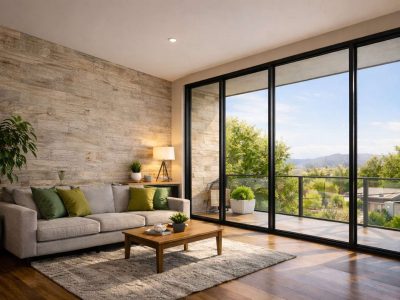
Thin aluminium profiles allow larger glass panels, which means more natural light enters the room. This creates a brighter, more open, and visually spacious environment.
This is why architects and homeowners often choose aluminium casement doors for modern homes, offices, and commercial spaces.
3. Strong Weather Protection
A properly installed aluminium casement door system provides excellent protection against changing weather conditions.
The sealing system around the frame helps prevent rainwater leakage, dust entry, and unwanted air gaps. This makes the door a reliable option for areas with heavy rainfall, humidity, or changing temperatures.
4. Improved Energy Efficiency
Modern aluminium casement door systems can include thermal break technology.
A thermal break is an insulating layer placed inside the aluminium frame to reduce heat transfer. When combined with double-glazed glass, it helps maintain comfortable indoor temperatures.
This can reduce the workload on air conditioning systems and improve overall energy efficiency.
5. Better Security Features
Security is another important reason behind the popularity of aluminium casement doors.
Many modern systems include multi-point locking mechanisms, strong aluminium frames, and toughened glass options. These features make the door more secure and provide better protection for homes and commercial spaces.
6. Wide Range of Design Options
Aluminium casement doors are available in different colours, finishes, and styles.
Popular finishes include matte black, brushed silver, bronze, and custom powder-coated options. This makes it easier to match the door with different architectural designs and interiors.
3) Benefits You Notice After Installing an Aluminium Casement Door
1. Improved Ventilation and Airflow
Because aluminium casement doors open fully instead of sliding partially, they allow maximum airflow.
This makes them especially useful for balconies, kitchens, living rooms, and areas where natural ventilation is important.
2. Minimal Maintenance Requirements
Compared with wooden doors, aluminium casement doors require very little maintenance.
There is no need for regular polishing, sealing, termite protection, or moisture repairs. Basic cleaning with water and a cloth is usually enough to keep them looking good.
3. Long-Term Performance
Wooden doors can expand, contract, or warp due to seasonal weather changes. Aluminium does not have the same problem.
It remains stable and keeps its original shape, helping the door operate smoothly for many years.
4. Environmentally Friendly Material
Aluminium is a recyclable material, which makes it a more sustainable choice.
Its long lifespan and ability to be recycled help reduce the need for frequent replacement and resource consumption.
4) Applications of Aluminium Casement Door Systems
1. Residential Buildings
In homes, aluminium casement doors are commonly used for:
- Main entrances
- Balcony doors
- Garden access points
- Living room openings
They are ideal for homeowners who want better daylight, ventilation, and a modern appearance.
2. Commercial Spaces
Offices, restaurants, hotels, and retail spaces often use aluminium casement doors because they provide a premium look while requiring minimal maintenance.
They create attractive entrances and large openings without compromising durability.
3. High-Rise Buildings
Aluminium casement doors are widely used in apartments and high-rise buildings.
Their lightweight construction, strength, and resistance to weather conditions make them suitable for buildings where performance and design are both important.
4. Coastal Locations
For properties near coastal areas, aluminium is a practical choice because it handles moisture and salty air better than many traditional materials.
With proper finishing, aluminium casement doors can maintain their appearance and performance in challenging environments.
5) Aluminium Casement Doors Compared With Other Materials
1. Aluminium vs Wooden Doors
Wooden doors offer a natural and traditional appearance, but they require more maintenance.
They may need regular polishing, sealing, and protection against moisture, termites, and weather damage.
Aluminium provides a more durable option with less maintenance while still offering a stylish appearance.
2. Aluminium vs uPVC Doors
uPVC doors are affordable and require little maintenance, but aluminium generally offers better structural strength and a more premium finish.
For large glass openings and modern architectural designs, aluminium is often the preferred choice.
3. Why Aluminium Remains a Preferred Option
Aluminium casement doors provide a balance of:
- Strength
- Modern design
- Durability
- Low maintenance
- Energy efficiency
- Design flexibility
Final Thoughts
An aluminium casement door system is more than just a door. It improves natural lighting, ventilation, security, and long-term comfort while requiring minimal maintenance.
Whether you are designing a new home, renovating an existing property, or selecting doors for a commercial project, aluminium casement doors offer a reliable combination of performance and modern style.
A well-designed door can completely change how a space looks and feels, and aluminium casement doors are a practical choice for creating brighter, more comfortable, and durable spaces.











Comments